Overcoming the Limitations of Standard DAM Systems
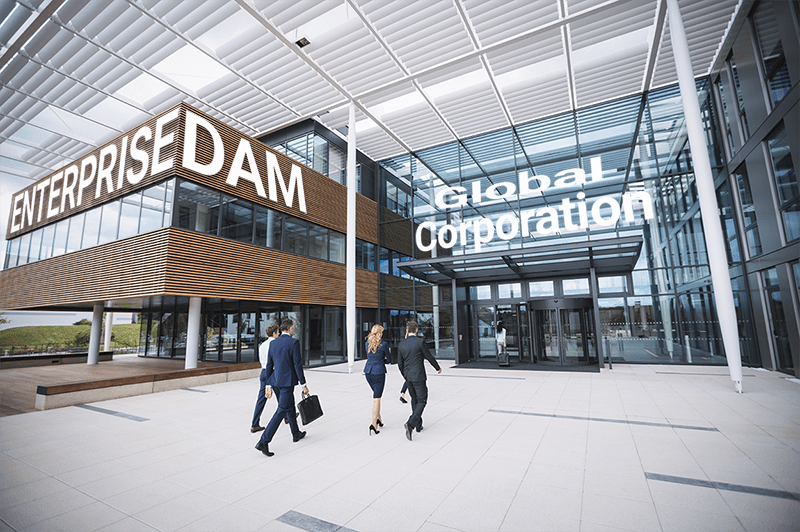
Enterprises of this scale often find standard Digital Asset Management (DAM) systems falling short when it comes to meeting their high-content management requirements. These systems are typically tailored to address marketing-specific needs, leaving critical gaps unaddressed. The rigid data models inherent in such solutions constrain flexibility, hindering integration with external systems and limiting the seamless flow of information across platforms. Moreover, the scalability, availability, and performance of these DAM systems, especially across geographically distributed locations, present considerable obstacles.
Flexibility Redefined with Enterprise DAMs
Recognizing these limitations, industry experts assert that Enterprise DAM solutions hold the key to unlocking the true potential of global companies. By embracing the principles of Microservices, API-first, Cloud-native, and Headless (MACH), modern enterprise DAM platforms leverage cloud computing providers such as AWS or Azure to deliver unparalleled scalability, flexibility, and optimal performance. This cloud-native architecture paves the way for enhanced agility, enabling rapid feature development and efficient customization to meet specific business requirements.
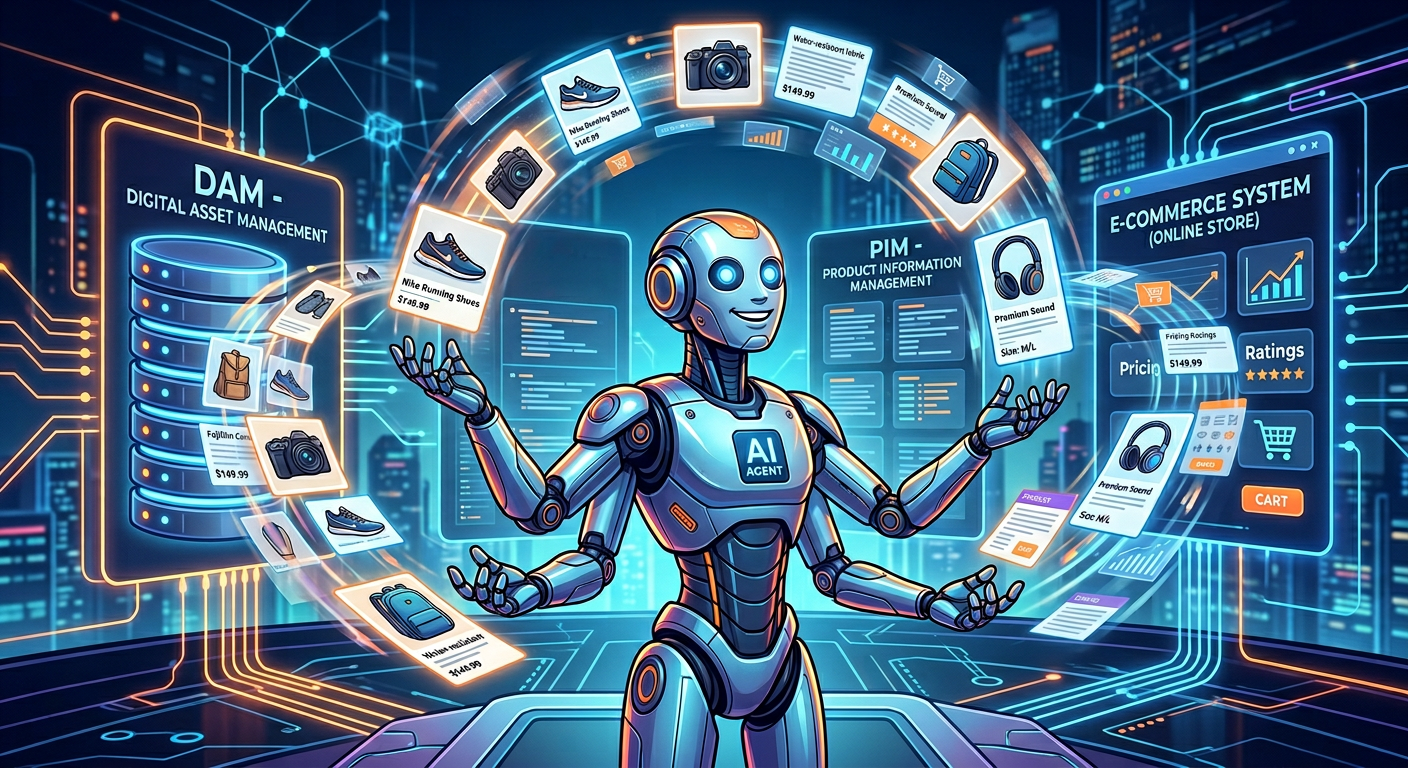
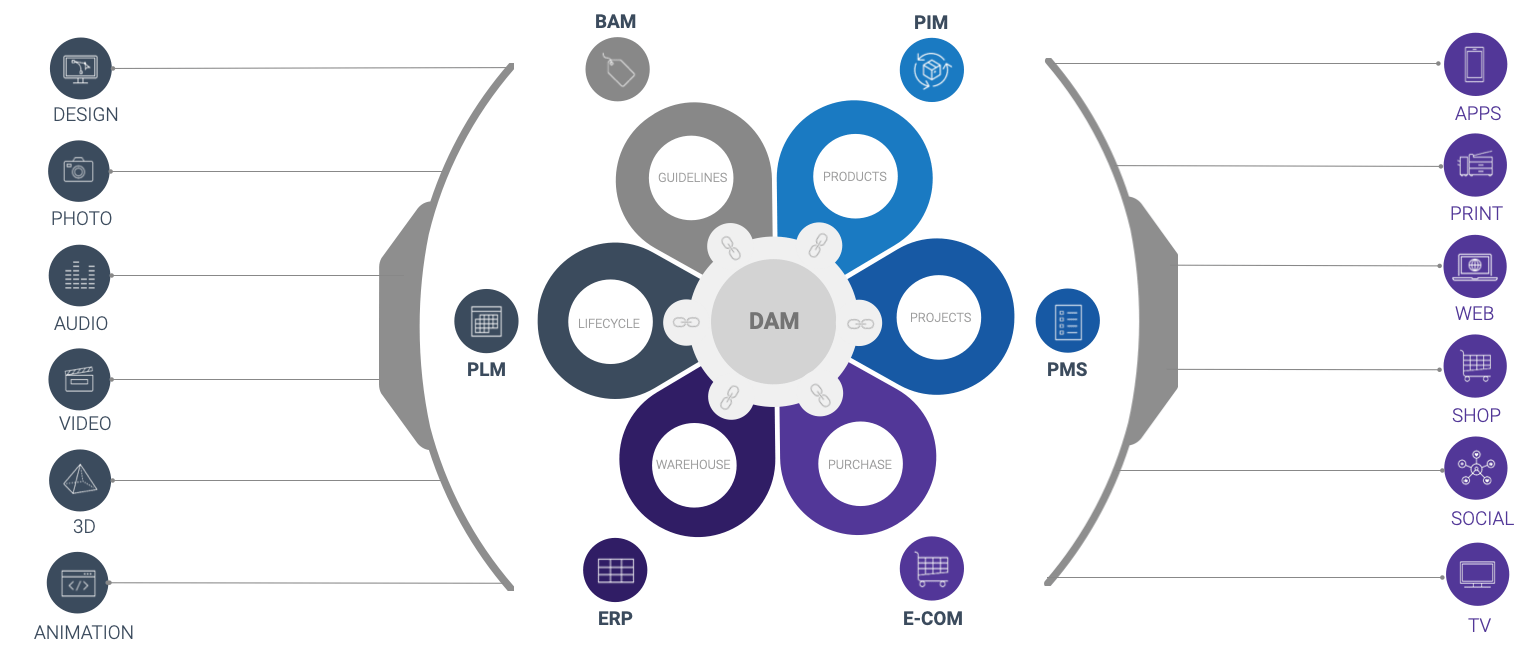
In addition to a robust architectural framework, the flexible data model offered by enterprise DAM vendors plays a pivotal role in integrating diverse martech systems within global enterprises. Unlike standard DAM systems with fixed metadata structures, these enterprise-grade solutions empower companies to seamlessly incorporate data from Customer Relationship Management (CRM), Enterprise Resource Planning (ERP), Product Information Management (PIM), and e-commerce platforms. This convergence of data ensures a centralized information hub, eliminating the need for users to navigate a multitude of systems and facilitating a holistic approach to content management.
Streamlining the Asset Lifecycle
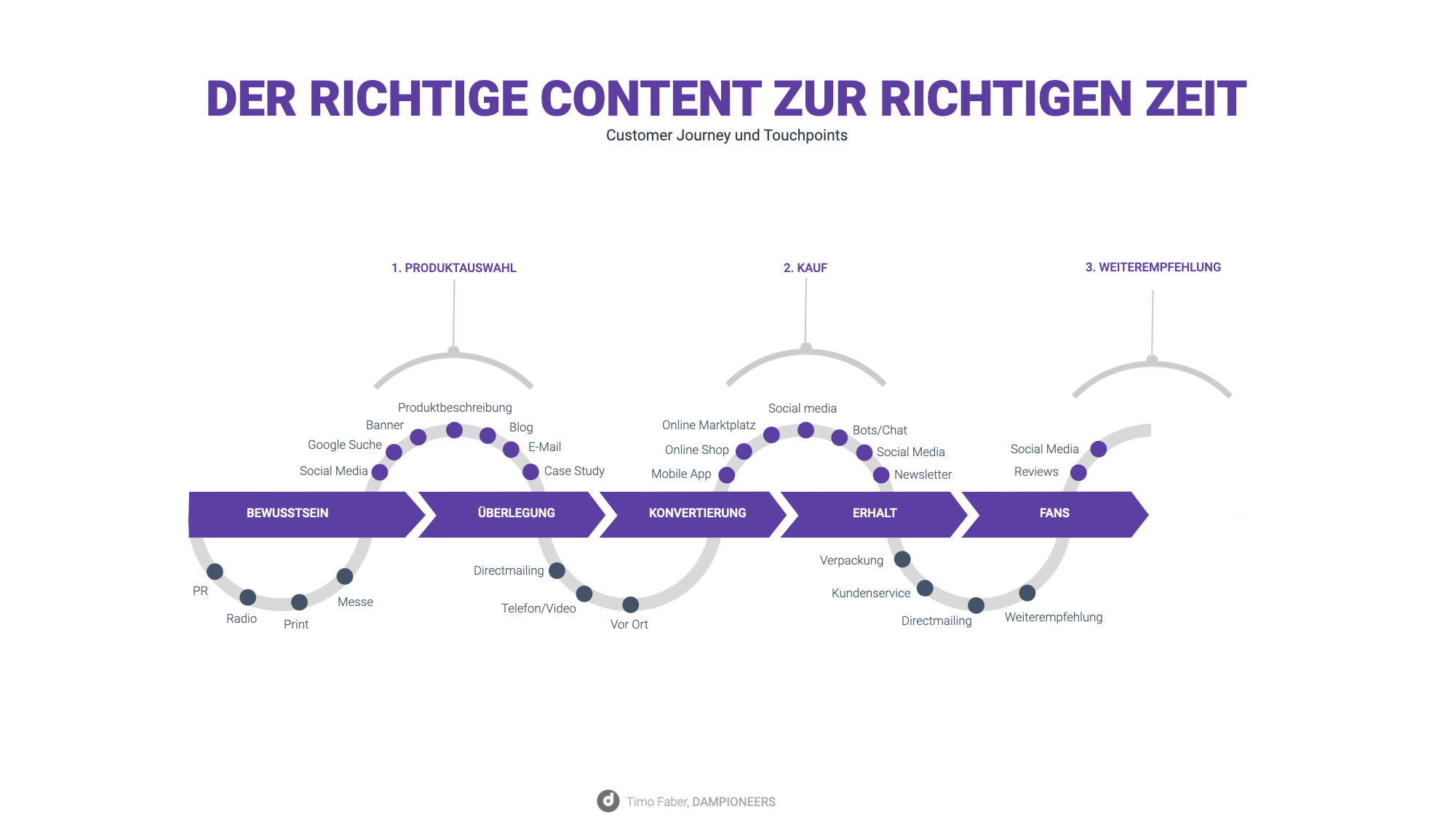
One of the most notable advancements in enterprise DAM platforms is the ability to close the asset lifecycle seamlessly. Rather than exporting content in a channel-specific manner, cutting off the reference point, these modern DAM systems leverage CDN links and embedded asset viewers or players. This innovative approach allows centralized content updates, ensuring consistency across multiple distribution channels. Furthermore, by tracking user interactions with assets, commonly referred to as backtracking, valuable insights can be gained, enabling data-driven decision-making and optimization of assets’ performance.
Conclusion
Frequently Asked Questions
What makes a DAM an enterprise DAM?
An enterprise DAM is distinguished by its ability to scale to global operations — offering a flexible data model, MACH architecture (Microservices, API-first, Cloud-native, Headless), advanced rights management, and deep integration capabilities with enterprise systems like ERP, PIM and CMS.
What is MACH architecture in a DAM system?
MACH stands for Microservices, API-first, Cloud-native and Headless. In a DAM context it means the system is highly flexible, composable and integrable — able to connect with any other system via API rather than relying on rigid, monolithic architecture.
How is an enterprise DAM different from a standard DAM?
Enterprise DAM systems support global multi-site deployments, complex permission structures, high asset volumes, multiple languages and deep MarTech integrations. Standard DAM systems are typically designed for smaller teams with simpler workflows.